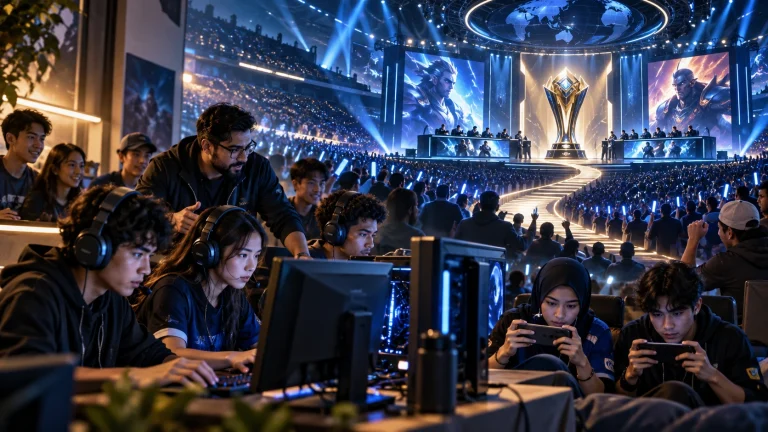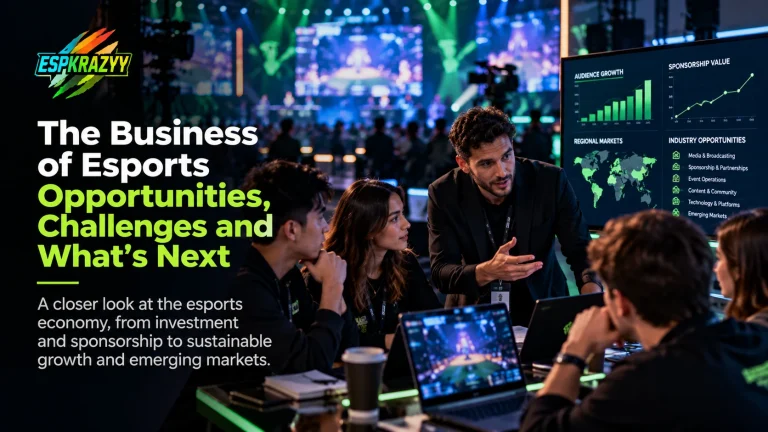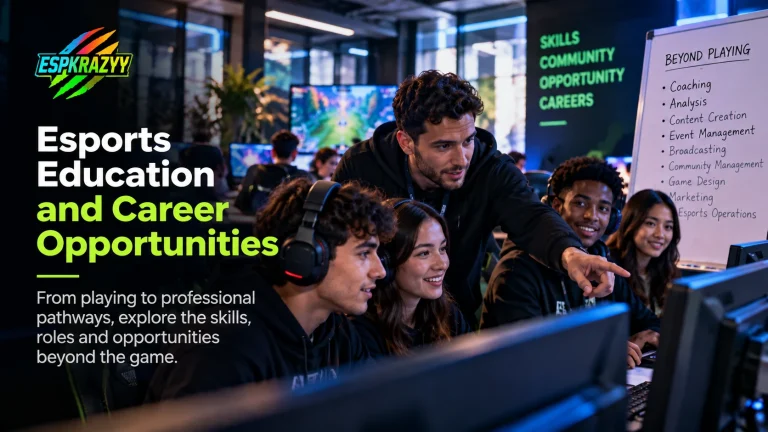
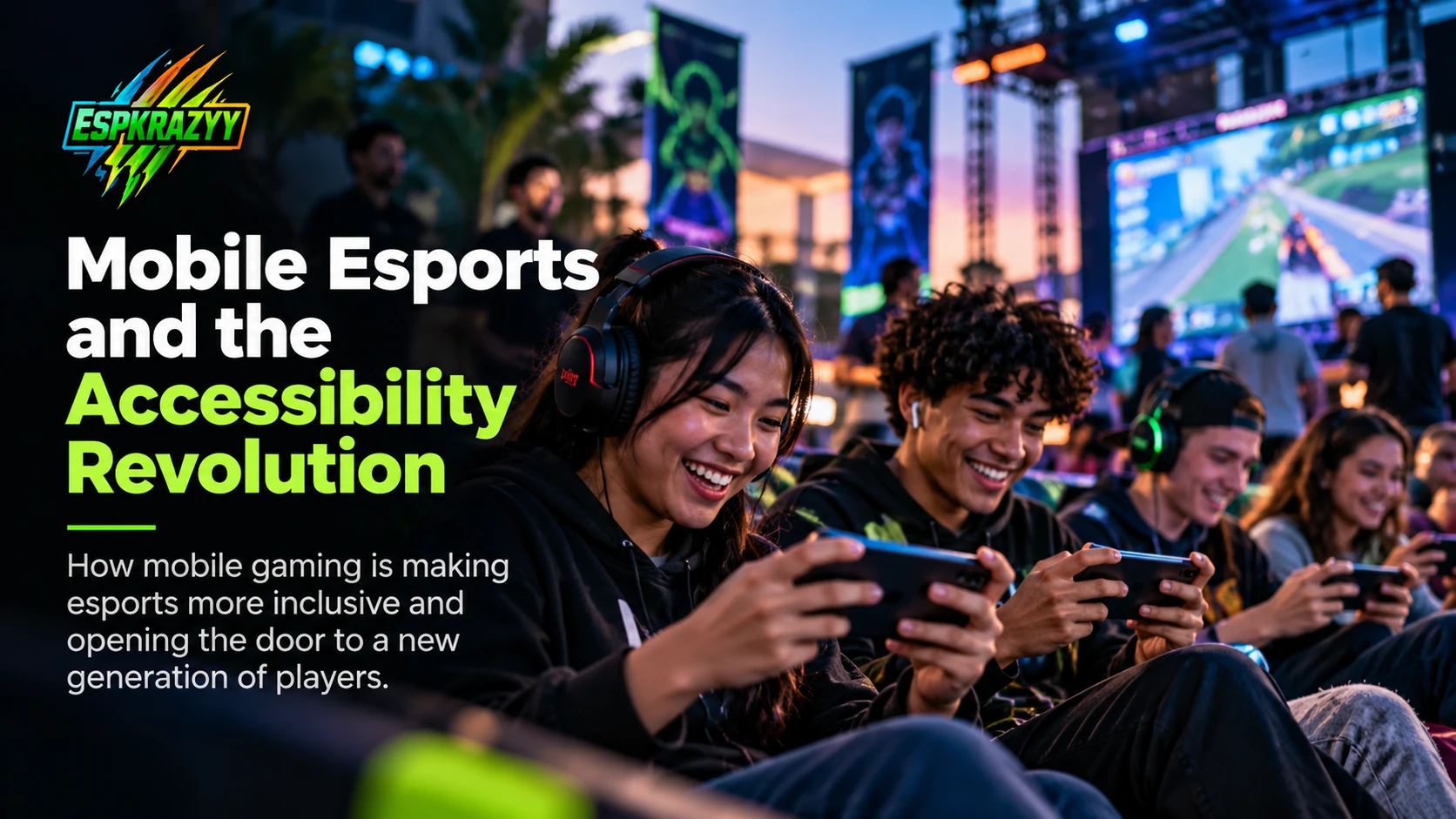
For years, the image of competitive gaming has been closely associated with expensive computers, specialist equipment and dedicated gaming environments. Mobile esports is challenging that perception, making competitive gaming accessible to people who might otherwise remain outside traditional esports structures.
Across different markets, smartphones have become an important gateway into digital entertainment, online communities and competitive gaming. For many players, the first opportunity to compete against others does not begin with a gaming PC or console. It begins with a device they already own.
This shift raises important questions about the future of esports, the meaning of accessibility and how the industry can create meaningful opportunities for a wider range of participants.
Competitive Gaming Is No Longer Defined by Expensive Hardware
Traditional PC and console esports continue to play an important role in competitive gaming. Established titles, professional leagues and sophisticated tournament productions have helped develop esports into an internationally recognised entertainment sector.
However, access to these environments often requires substantial financial and technical resources.
A gaming computer, peripherals, stable internet connection and suitable playing environment can represent a considerable investment, particularly in regions where household purchasing power is limited.
Mobile gaming offers a different starting point.
Although smartphones vary significantly in price and performance, the widespread use of mobile devices means many potential competitors already have access to hardware capable of supporting multiplayer gaming.
Games designed specifically for smartphones have also developed competitive mechanics, ranked systems, team-based gameplay and spectator experiences that support organised competition.
Mobile esports should therefore be understood as a legitimate competitive environment in its own right, rather than simply a less advanced version of PC esports.
Accessibility Is About More Than Owning a Smartphone
It would be misleading to suggest that mobile esports eliminates the barriers to competitive gaming.
Not all smartphones offer comparable performance. Processing power, screen responsiveness, battery life and device temperature can influence the playing experience.
Reliable internet connectivity remains essential, particularly in competitive games where latency and network stability affect outcomes.
Mobile data costs, electricity availability and the quality of local telecommunications infrastructure can also limit participation.
Even when players have suitable devices, they may struggle to find welcoming communities, organised competitions or reliable information about how to become involved.
True accessibility is not simply the ability to download a game. It is the ability to participate meaningfully once that game is installed.
For mobile esports to realise its potential, the wider ecosystem must consider these practical obstacles rather than assuming that widespread smartphone ownership automatically creates equal competitive opportunities.
Why Mobile Esports Matters in Developing Markets
Mobile gaming has particular relevance in markets where smartphones play a central role in everyday digital life.
Across parts of South Asia, Southeast Asia, Latin America and Africa, mobile-first digital behaviour provides an important context for understanding how people discover games, communicate with other players and participate in online communities.
These regions should not be treated as a single market. Income levels, internet infrastructure, device availability, cultural preferences and local gaming ecosystems vary considerably between countries and communities.
Nevertheless, mobile competitive gaming can provide opportunities for participation without requiring every player to invest in dedicated PC gaming equipment.
For the wider esports industry, this creates an opportunity to reconsider how competitive gaming communities are identified, supported and understood.
Established esports markets are not the only places where competitive talent, enthusiasm and community leadership can develop.
Some of the most interesting opportunities for the long-term growth of esports may emerge from communities that have historically received less attention from the international industry.
Mobile Competition Can Strengthen Grassroots Esports
One of the most valuable contributions of mobile esports is its potential to support grassroots participation.
Local gaming groups, student communities and amateur competitors can organise around games that participants are already familiar with.
Mobile competition may offer a practical entry point for people who are interested in competitive gaming but have never participated in a formal esports event.
These experiences can help participants become familiar with organised competition, teamwork, communication and fair play.
They can also encourage community development beyond individual matches.
Players may establish teams, share knowledge, support newcomers and develop lasting relationships through shared competitive experiences.
However, the quality of these environments depends on effective organisation and responsible leadership.
Clear rules, accessible communication, fair administration and respectful player behaviour remain important regardless of whether competition takes place on a smartphone, computer or console.
As discussed in our article Why the Future of Esports Begins at Grassroots Level, meaningful participation and community development are essential parts of a healthy competitive gaming ecosystem.
Competitive Integrity Remains Essential
Greater accessibility should not come at the expense of competitive integrity.
Mobile esports introduces challenges that require careful consideration, particularly when players use devices with different specifications and network conditions.
Performance differences, connection stability, unauthorised software, account sharing and unfair competitive behaviour can all undermine confidence in organised play.
Players need to understand the rules governing competition and have confidence that those rules are applied consistently.
Organisers also need realistic expectations about the environments in which participants compete.
A community event involving inexperienced players and consumer smartphones may have very different practical requirements from an international professional championship.
The objective should be to establish appropriate standards that protect fairness without creating unnecessary barriers to entry.
From Mobile Players to Esports Communities
Another important distinction is the difference between playing a competitive mobile game and becoming part of an esports community.
Many games contain ranked modes, leaderboards and opportunities to compete against other players. These features can encourage individual progression, but they do not necessarily create sustained community involvement.
Communities become stronger when players have opportunities to connect, communicate and participate in experiences that extend beyond isolated matches.
Positive moderation, consistent engagement and supportive leadership can encourage players to return and become more involved.
Educational institutions, community organisations and local gaming groups may also contribute by providing structured environments in which competitive gaming can be explored constructively.
In this sense, mobile esports should be viewed not only as a format of competition, but also as a possible entry point into broader participation in gaming culture.
New Opportunities Beyond Professional Playing
Greater mobile esports participation can also introduce people to other aspects of the competitive gaming industry.
Organised gaming communities require communication, moderation, content creation, event coordination and administration.
Competitive broadcasts introduce opportunities to explore commentary, production, graphic design and digital storytelling.
Team-based activity can provide practical experiences involving leadership, planning and interpersonal communication.
These activities do not automatically translate into paid employment. The professional opportunities available depend on market demand, training, experience and the wider economic environment.
Nevertheless, mobile esports can provide an accessible introduction to interests and skills that extend beyond playing competitively.
Our Education & Careers coverage explores these broader pathways and the role that gaming-related experiences can play in personal and professional development.
The Industry Must Think Beyond Player Numbers
As mobile esports develops, industry discussions often focus on market size, download figures, viewership and the potential for commercial expansion.
These measurements have value, but they do not provide a complete picture of the health of a competitive gaming ecosystem.
A large audience does not necessarily indicate meaningful community participation. A popular game does not automatically create sustainable opportunities for amateur competitors.
Similarly, widespread access to mobile devices does not guarantee that players will encounter fair, welcoming or well-organised competitive environments.
Long-term development requires attention to participation quality, community relationships, player wellbeing and the practical realities facing different markets.
The commercial growth of mobile esports and the development of accessible competitive opportunities should not be treated as identical objectives.
Both matter, but they require different measures of success.
The Accessibility Revolution Is Really About Opportunity
Mobile esports is changing the way competitive gaming can be experienced, particularly among people for whom traditional gaming hardware has been difficult to access.
Its importance extends beyond the technology itself.
The real opportunity lies in creating environments where more people can participate, improve their skills, connect with others and enjoy meaningful competition.
Achieving that requires more than popular games and increasingly capable smartphones. It requires fair competition, responsible community development and a genuine understanding of the needs of different participants.
PC, console and mobile esports do not need to compete for legitimacy. Each can contribute to a diverse competitive gaming ecosystem.
The future of esports should not be defined by the device someone can afford. It should be defined by the opportunities available to those who want to participate.
ESPKrazyy examines the people, communities and developments shaping competitive gaming. Explore more perspectives in our Insights and Grassroots Esports sections.